About
This documentary is about the underrepresentation of black artists and designers within graphic design history books. Back in 2024, I took a Graphic Design History class with Pierre Bowins. In this class, he mentioned that there was a lot missing from the history book we were studying, but he didn't tell us what. People guessed, and nobody got it. He then said there were little to no black people in the book, which I found very interesting, as he was right. Years later, in November of 2025, Cheryl D. Holmes-Miller is a guest speaker in my class and presents her book, “WHERE THE BLACK DESIGNERS ARE.” Which is on the same topic, trying to understand where the black designers were. From these two events, I knew that this was an interesting story, and I had to tell it.
Obstacles
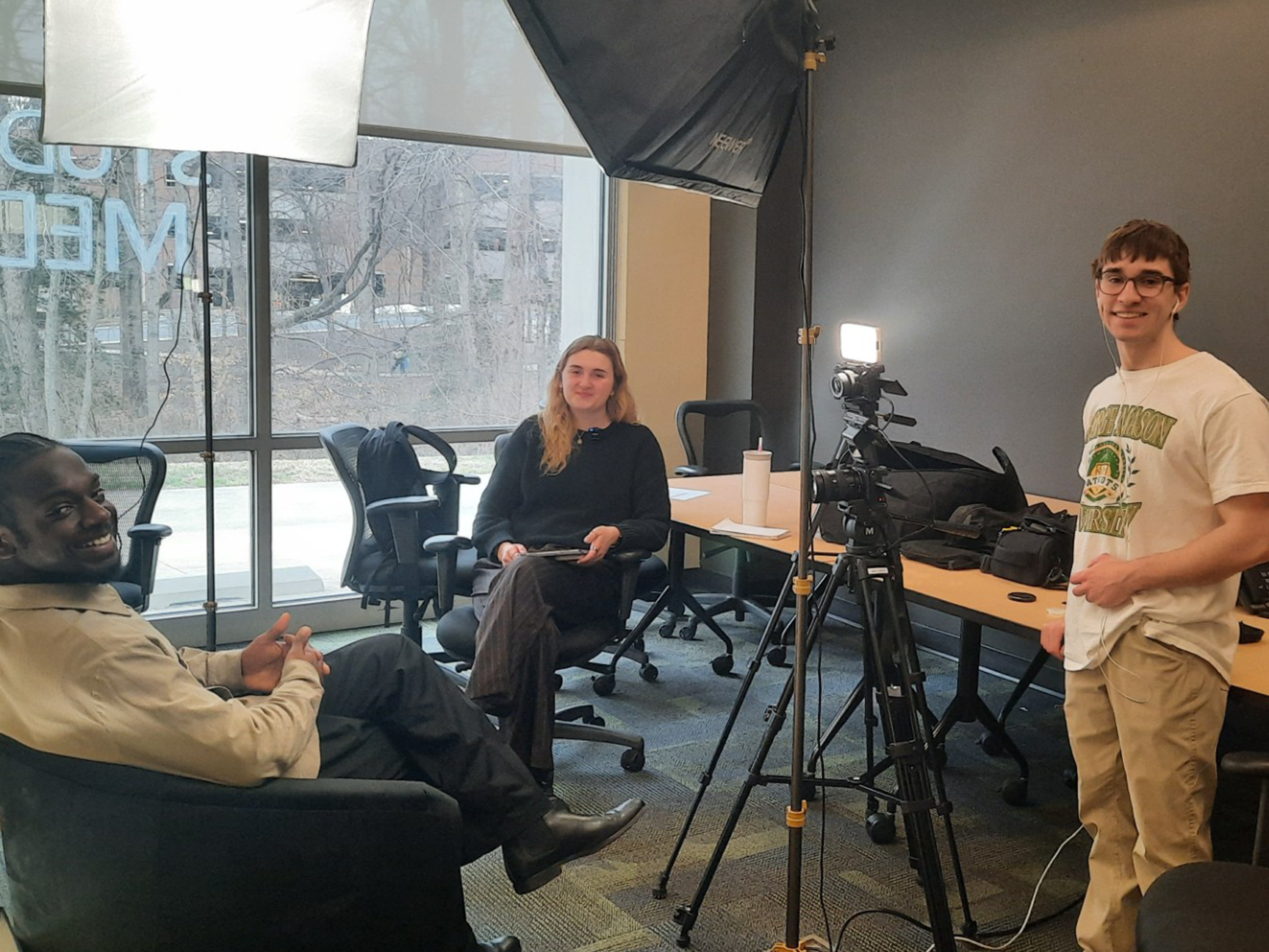
As an outsider to the black community, it was difficult to navigate this project. I did not want to spread misinformation, put black designers in the wrong light, or come off as ignorant. I talked to a lot of people to make sure I don’t mess this up. I did this during pre-production, scheduling meetings with people to get advice on this project, as well as talking with Pierre on multiple occasions before shooting the interview.
Additionally, I overcame a technical obstacle by learning After Effects for this project. Since I couldn't personally record any b-roll, since it’s all in the past, I had to rely on archival photos and tell a story through them. Still photos are boring, so I took the leap and learned After Effects to animate them.
Lastly, I had to schedule my time efficiently. Juggling a full class load, an internship, and a job made it challenging to keep up with this project. But I handled it amazingly, holding myself accountable and setting strict deadlines to complete the project before graduation.
Design Direction
The editing design for this project stems from the “graphic artist in graphic communication” poster, having thick black lettering skewed to the right. I used this for each title card. The editing direction stemmed from Vox videos, with their simple animations, iconic grid backdrop, and simple music (it's a marimba!).
Editing
This was edited and compiled in Premiere Pro, the animations were created in After Effects, and the graphics were created in Illustrator. As stated earlier, I had to learn After Effects for this project, which ended up very well in my opinion, and I believe it was the best option.
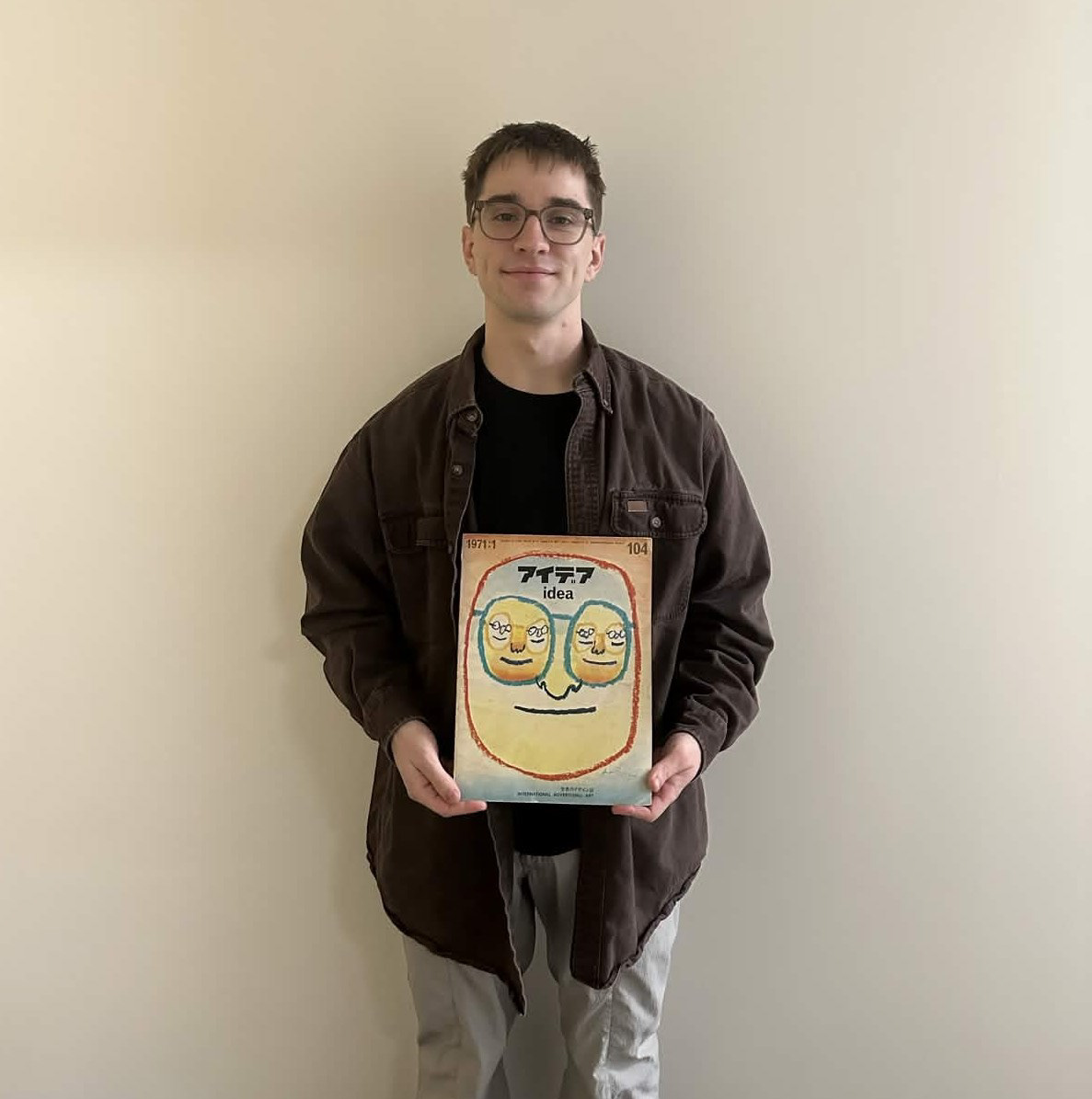
The photos I got from this project were all personally scanned from a 1971 Idea Magazine, which covered the Black Artists in Graphic Communication Exhibition. There was only one magazine I could find online on a Japanese website. I eventually gifted the magazine to Pierre Bowins for his A SIN OF OMISSION Exhibition. He was speechless as he had been looking for it for months!
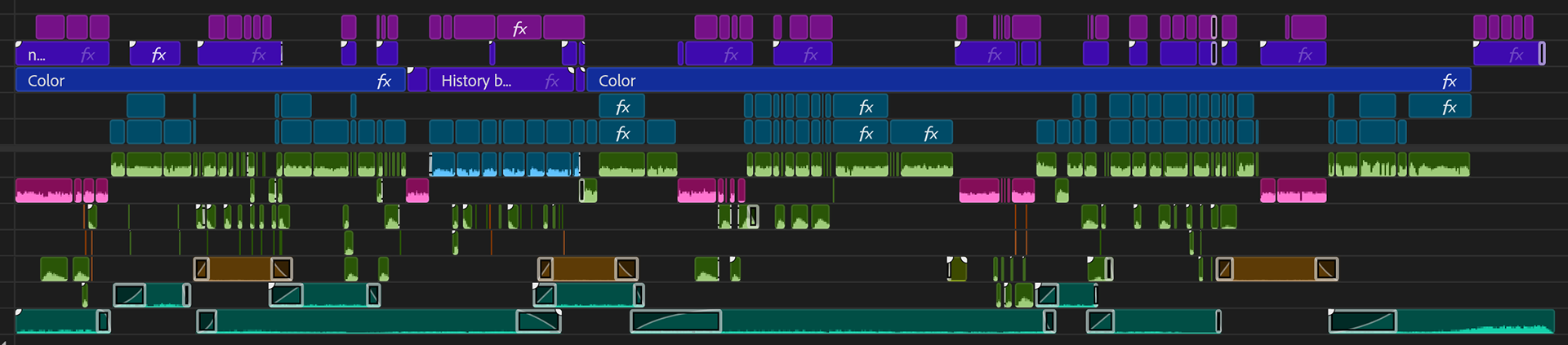
Timeline, in order from top to bottom: captions (not in photo), references, After Effects animations, color grade touch-up, camera 1,
camera 2, Pierre voice, Adam voice, SFX 1, SFX 2, SFX 3, music 1, music 2.
Final Thoughts
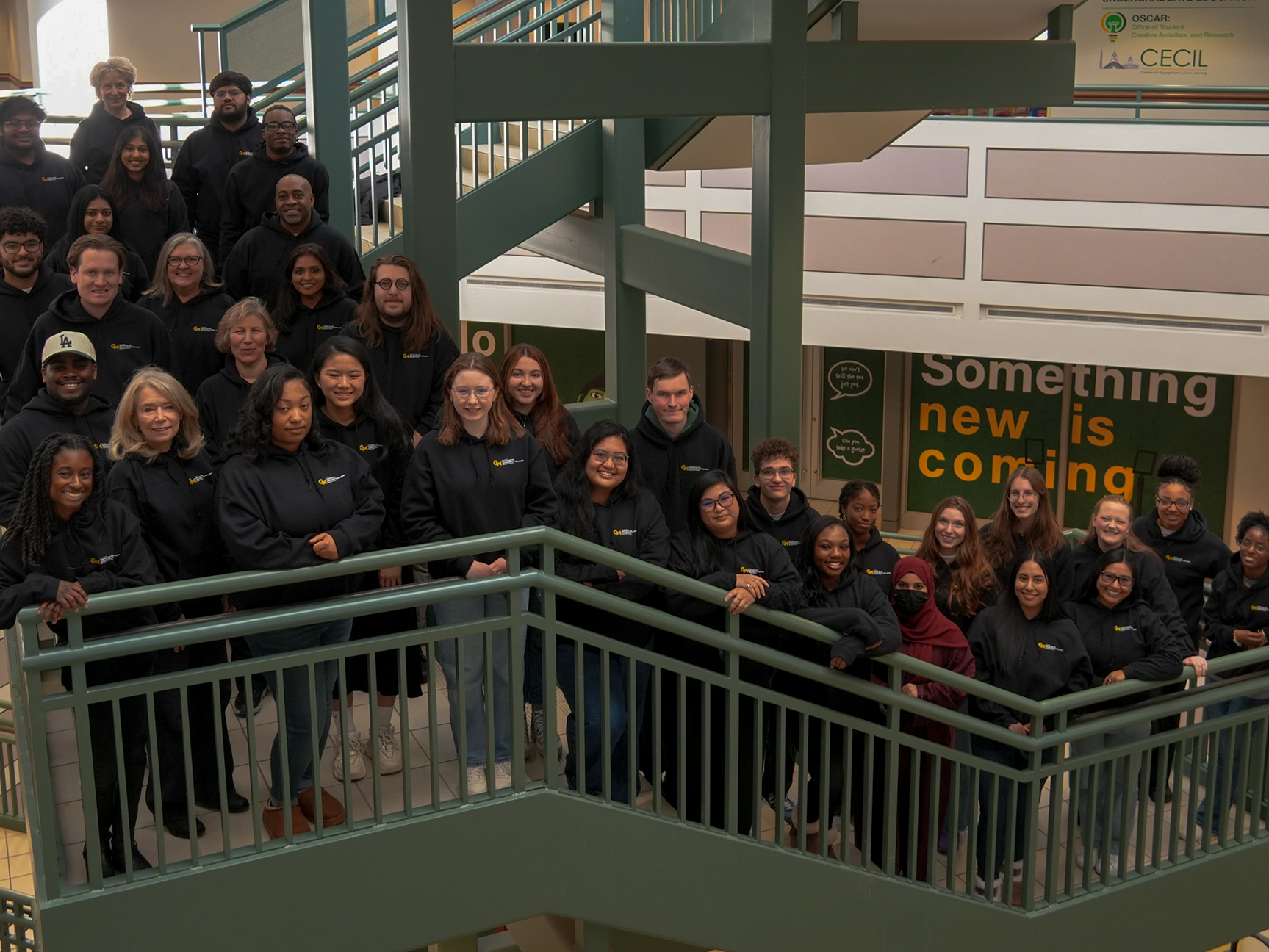
Although this project was directed, produced, and edited by me. This would not have been completed without the help of my professors, peers, and professionals helping me with the topic. I cannot explain how thankful I am for them. Thank you to Pierre Bowins, David Miller, Daniel Reed, Brenna Maloney, and many, many more.